




Postbiotics (or inactivated microorganisms): the new frontier of health
04/02/2025
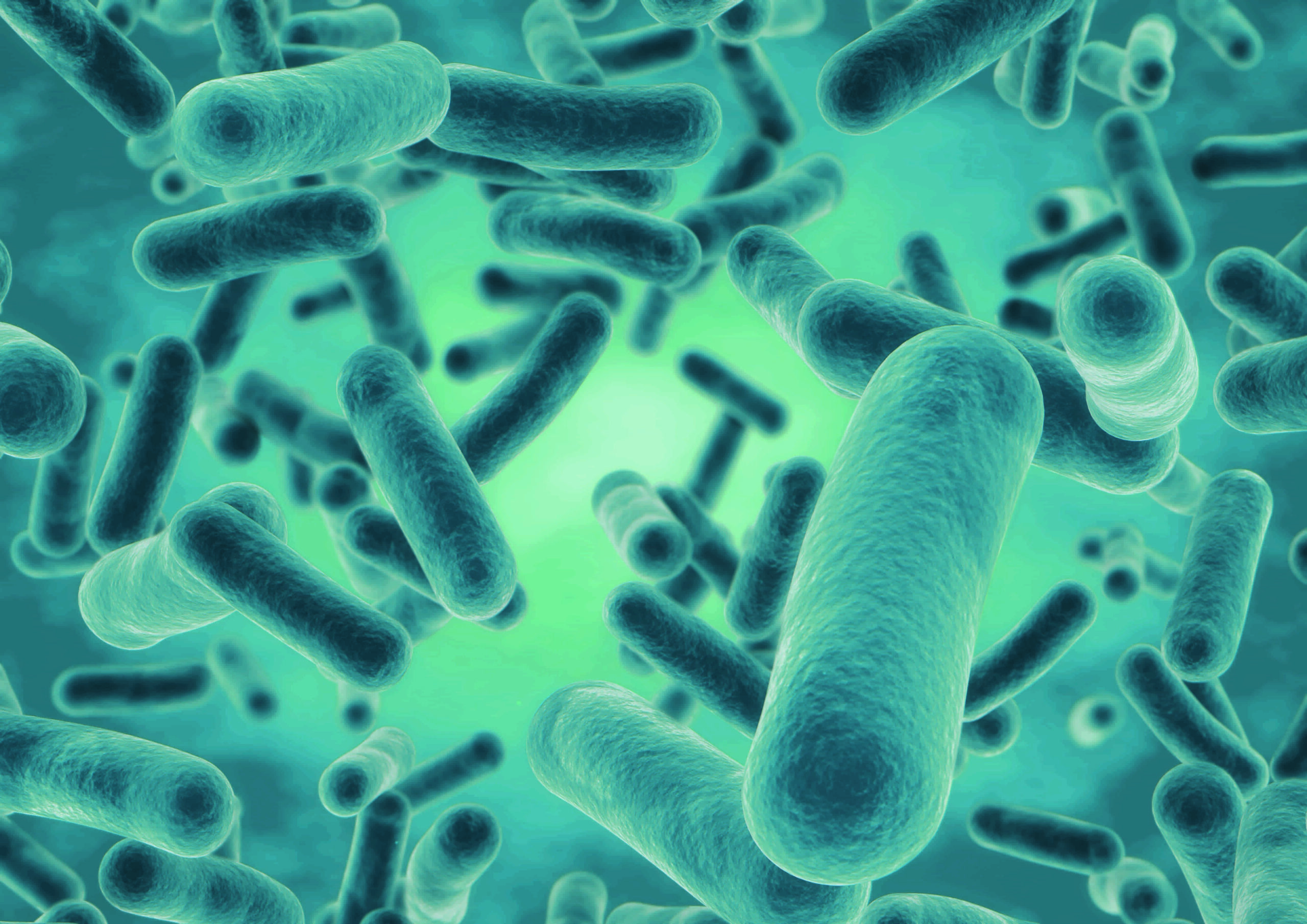
The use of postbiotics—non-viable microorganisms with documented health benefits—in the field of nutrition is opening up new and exciting possibilities. This frontier goes beyond traditional live probiotics and offers stable, versatile products suitable for innovative applications.
Despite current gaps in regulatory frameworks and official definitions, the postbiotic sector and its related components are growing rapidly. This growth presents both challenges and opportunities that all stakeholders must be prepared to face.
Postbiotics (or inactivated microorganisms): what they are and their benefits
Postbiotics and related terminology
Also known as inactivated microorganisms, paraprobiotics, or tyndallized probiotics, postbiotics are non-viable microbial cells typically obtained through physical or chemical treatments. Although no longer alive, these microorganisms retain health-promoting properties.
The debate surrounding the definition and scope of postbiotics has been ongoing. Over the years, various terms have been proposed—such as inactivated microorganisms, paraprobiotics, or metabiotics—to describe this category.
In 2021, the International Scientific Association for Probiotics and Prebiotics (ISAPP) published a consensus statement aimed at clarifying the terminology. ISAPP defined a postbiotic as a “preparation of inanimate microorganisms and/or their components that confers a health benefit on the host“, further specifying that “to be effective, postbiotics must contain inactivated microbial cells or cellular components, with or without metabolites, that contribute to the observed health benefits.”
Inactivation techniques
Microorganisms can be inactivated using a variety of methods, including heat treatment, UV radiation, high hydrostatic pressure, or chemical agents. The choice of inactivation method significantly affects the final properties of the product—particularly its efficacy.
For example, thermal inactivation—one of the most commonly used techniques—involves exposing microorganisms to high temperatures for a set period. This treatment makes postbiotics especially suitable for a wide range of formulations, from dietary supplements to cosmetics.
Main advantages of postbiotics
One of the key advantages of postbiotics over probiotics is their stability. Unlike live probiotics, postbiotics do not require refrigeration and generally offer improved shelf-life. This enhanced stability translates into greater formulation flexibility in nutritional supplements and functional foods, as well as greater accessibility in global markets with limited cold-chain infrastructure.
Regulatory challenges and future outlook
Despite growing interest, the regulatory framework for postbiotics is still evolving. Ongoing discussions among academia, industry, and regulatory authorities aim to establish how postbiotics should be defined, quantified, and characterized.
This process also represents an opportunity to better understand their mechanisms of action and to identify more targeted applications for postbiotics.
Research in this area is unlocking new opportunities for both science and industry. Postbiotics may prove to be a valuable alternative for individuals in fragile health or with conditions for which inactivated microorganisms are more appropriate than live ones.
It is crucial that regulatory bodies, together with the scientific community and industry stakeholders, collaborate to create clear guidelines for the safe and effective use of these products in both human and animal health.
Conclusions
Integrating postbiotics into nutrition represents a promising area of innovation, offering clear advantages in terms of safety, stability, and product versatility. However, to fully unlock the potential of these ingredients, it is essential to address existing regulatory challenges and foster stronger collaboration between research institutions, the private sector, and relevant authorities. Only through a concerted approach can we ensure that consumers benefit safely and effectively from the opportunities offered by inactivated microorganisms.
A more in-depth exploration of this topic is available in the article “Inactivated Microorganisms and How to Describe Them – Postbiotics, Paraprobiotics and Other -biotics: Many Terms, Awaiting Guidelines” by Valentina Taverniti, published in L’integratore Nutrizionale 3 – 2024. The full article is available for download here: https://saccosystem.com/wp-content/uploads/2024/11/IN273_Art_Taverniti.pdf.
Milk is the most precious resource in dairy production. High-quality dairy products start with high-quality milk—and in today’s rapidly evolving dairy landscape, protecting that quality has never been more critical.
Lactobacilli play a vital role in maintaining homeostasis in vaginal microbiota and there have been promising results not only for the treatment of dysbiosis, but also its onset in the first place. A recent clinical trial

Food waste is one of the most urgent challenges of our time. According to the FAO (the United Nations Food and Agriculture Organization), approximately 14% of globally produced food, worth